Skip to content

Complimentary delivery over Rs. 5,000

AURAQ

Menu

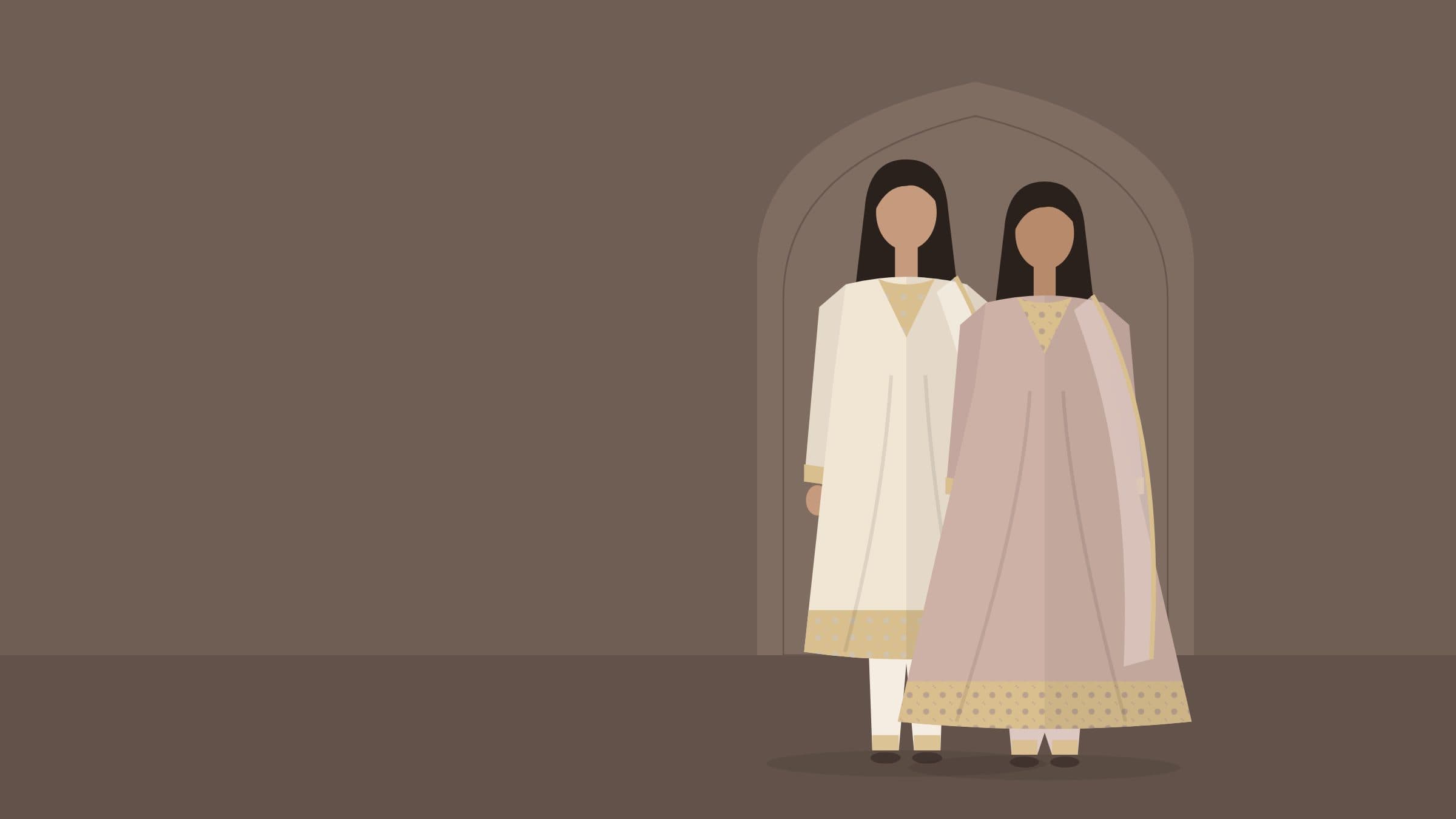
Two models in ivory and dusty rose embroidered suits standing beneath a carved Mughal arch

Our Story

Made by Hand, in Lahore

AURAQ began in 2015 with a single embroidery frame in a Gulberg courtyard. Today our atelier is home to more than two hundred karigars, and every piece still passes through their hands.

اوراق

In Urdu, auraq means pages.

We chose the name because every collection is a page in a much longer story: the story of Lahore’s craft, passed from ustad to apprentice for five centuries, and of the women who wear it to weddings, Eid lunches and ordinary Tuesdays. We just try to write each page well.

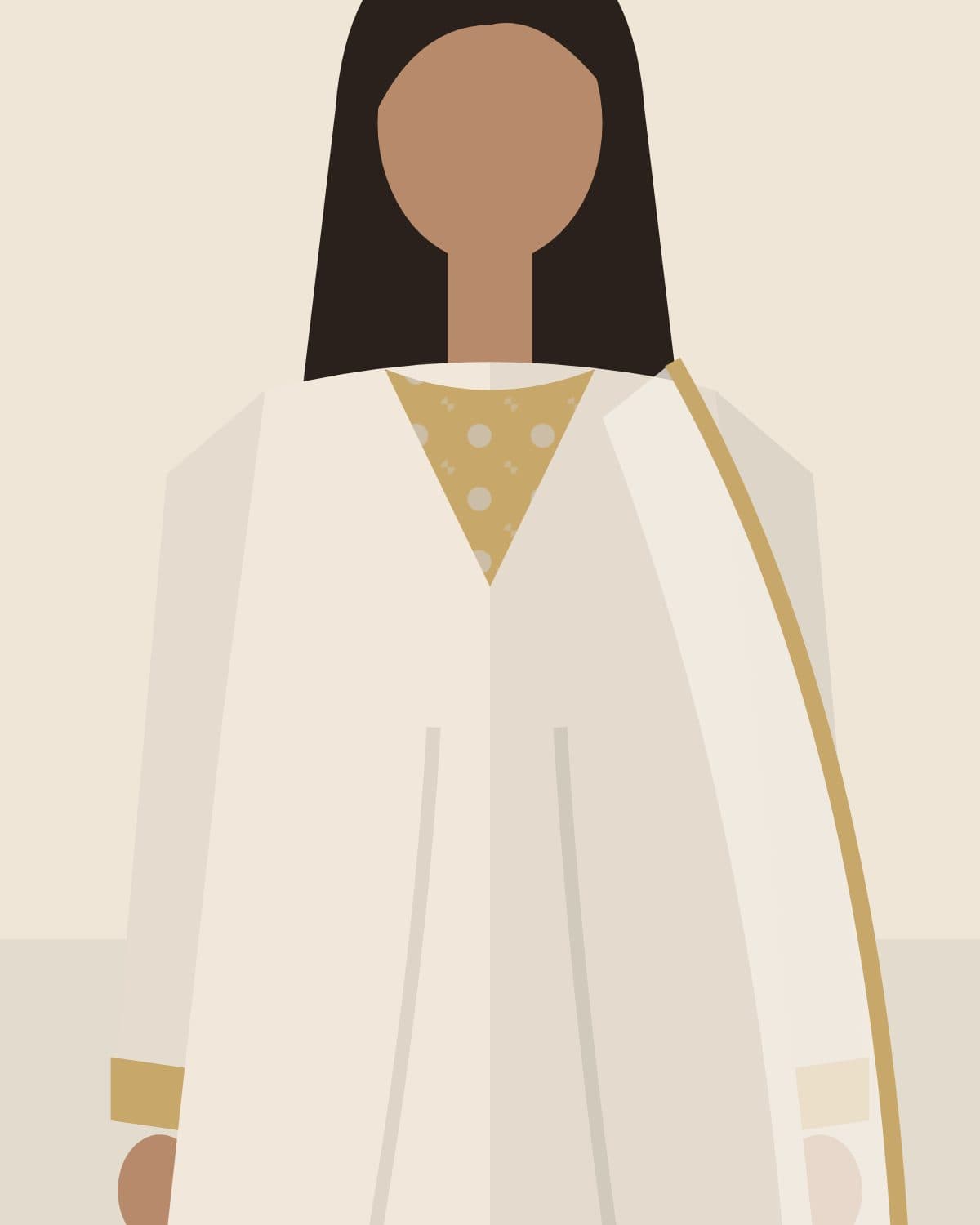
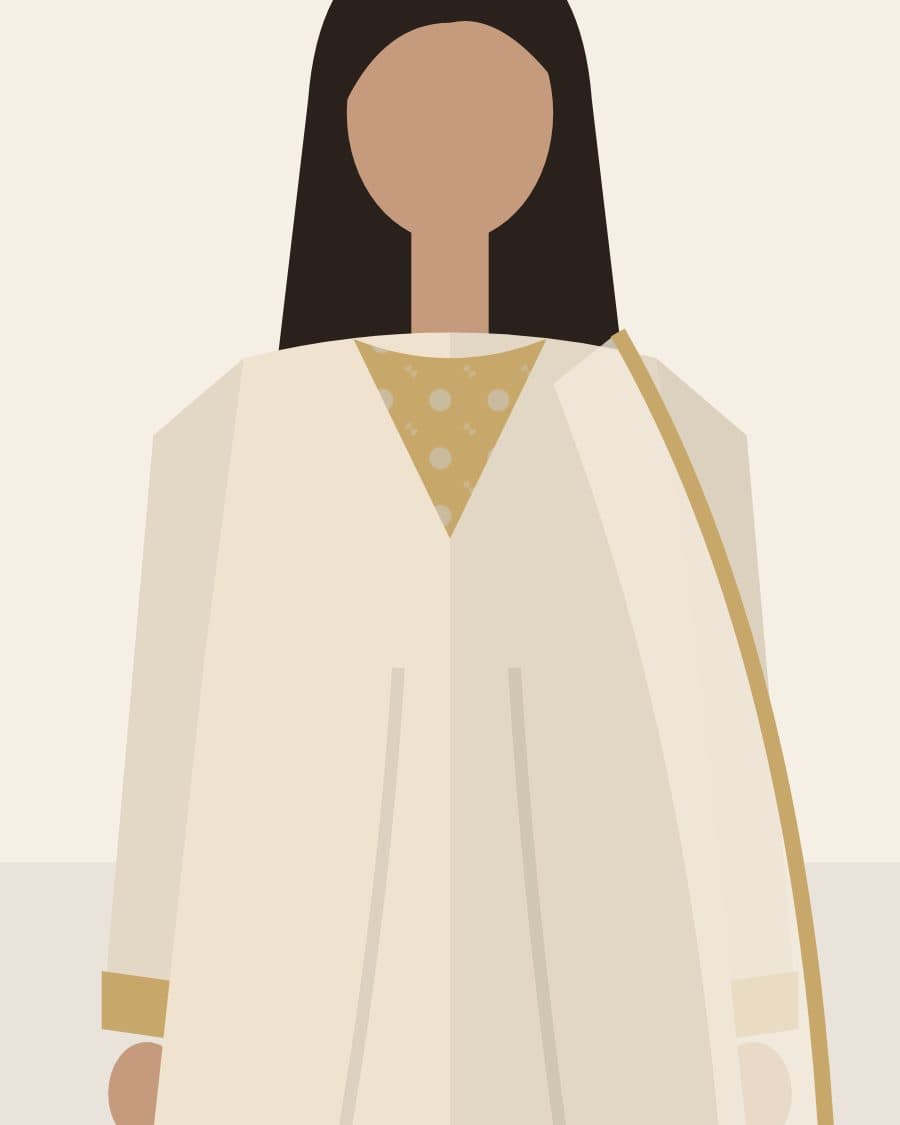
AURAQ founder Alizeh Rashid in an ivory kurta with a gold-edged dupatta over one shoulder

A Note from Our Founder

Craft Was Never Meant to Be Rushed

I grew up in my nani’s house in Model Town, where every wedding season began the same way: bolts of silk spread across the floor, a karigar sitting cross-legged on the veranda, and weeks of quiet, careful work before anyone wore a thing. I didn’t know it then, but I was watching the most patient art form I would ever encounter.

When I started AURAQ in 2015, it was with one master karigar, Ustad Bashir Ahmed, and one wooden adda. We made twelve pieces that first season. They took far longer than any business plan allowed, and every one of them sold to a woman who wrote back to tell us where she had worn it.

We are much bigger now, but the principle hasn’t changed. Our designs are drawn around what our karigars do best, not the other way round. We buy fabric we would wear ourselves, we cut for real bodies, and we pay the people who make our clothes properly, every month, whether the season is busy or slow.

Thank you for wearing our pages. We hope they become part of yours.
Alizeh Rashid

Founder & Creative Director

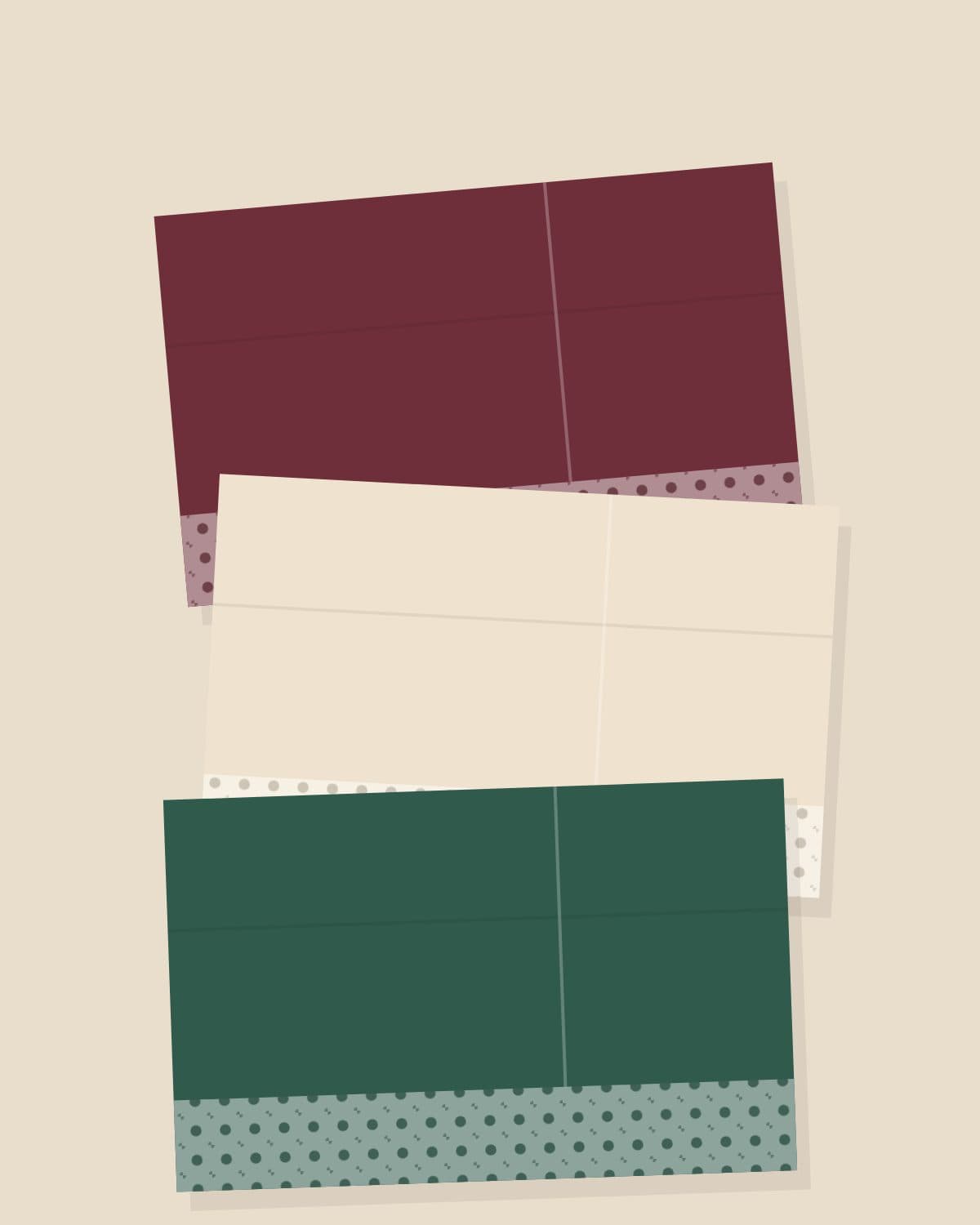
Cut lengths of wine, ivory and emerald raw silk laid out on the atelier table, ready for embroidery

The Lahore Atelier

Eleven Frames in Gulberg, Two Hundred Pairs of Hands

Our atelier sits above the flagship on MM Alam Road. On the first floor, pattern cutters and tailors work beside the fabric store; on the second, beneath a row of tall windows, eleven wooden addas hold lengths of silk stretched taut as drums.

Our master karigars work here. The rest of our artisans work in three smaller workshops in the walled city, Shahdara and Kasur, close to home and held to exactly the same standards. Many come from families who have embroidered for generations. All are salaried, insured and credited by name on every Signature piece, and twelve apprentices at a time train beside them on our two-year programme.

The Craft

The Language of Handwork

Five techniques, each with centuries behind it, and each still worked entirely by hand in our atelier. This is what to look for in an AURAQ piece.

By the Numbers

AURAQ in Figures

Karigars & artisans
200+
Salaried and insured, in our Lahore atelier
Hours of handwork
380k
Embroidered by hand every year
Cities delivered to
190+
Across Pakistan and seven countries
Boutiques
5
In Lahore, Karachi, Islamabad and Dubai

What We Stand For

Our Values

  • Craft First

    Handwork is never an afterthought. Every collection begins at the embroidery frame, and our designers draw around what our karigars do best.

  • Honest Fabric

    Fine-count lawn, raw silk with a true slub, organza you can see light through. The full composition of every piece is listed on its product page.

  • Cut for Real Bodies

    Patterns are graded from XS to XL on fit models and tested in motion: sitting, walking, dancing at a mehndi. Alterations are complimentary in our boutiques.

  • Responsible Making

    Fixed monthly wages and health cover for every artisan, offcuts reworked into potlis and piping, and muslin and recycled-paper packaging.

The Process

From Sketch to Finish

  1. Weeks 1–3

    Step 1: Sketch

    Every collection starts as pencil on paper, with motifs drawn from carved jaali screens, old Lahore havelis and the Shalimar gardens. The final design is traced onto butter paper and pricked by hand for transfer.

  2. Weeks 3–5

    Step 2: Fabric

    Base cloths are sampled, washed and tested for drape, shrinkage and colour-fastness before a metre is cut. Each shade is then dyed in small lots and matched to the swatch by eye, in daylight.

  3. Up to 120 hours

    Step 3: Embroidery

    The fabric is stretched on the adda and our karigars begin, in zardozi, tilla, gota, resham or mukesh. A single Signature shirt can take five weeks and pass through four pairs of hands.

  4. The final 48 hours

    Step 4: Finishing

    Panels are steamed from the back, stitched and pressed, then checked under daylight lamps with every thread trimmed and every border measured. Each piece is wrapped in muslin with a handwritten care card.

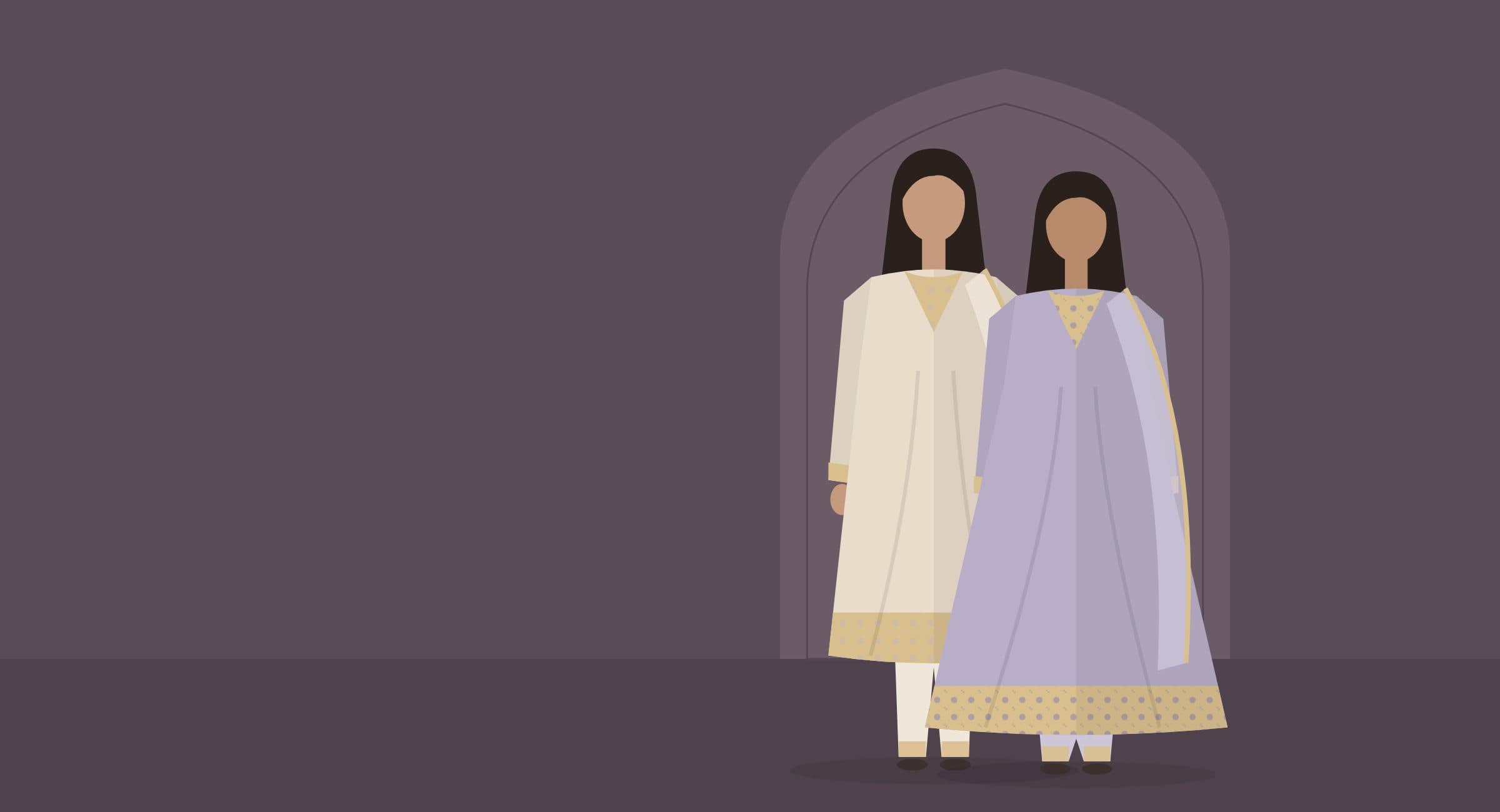
Two models in ivory and lavender suits beneath an arch in soft evening light

Wear the Story

The Next Page Is Yours

Discover the collections our atelier is working on now, or visit a boutique to see the handwork up close.

Your bag (0)

Your bag is empty

Discover the new season’s pieces and find something you love.

Shop new arrivals

You may also like

Best sellers