The Edit
Your Eid Wardrobe Edit
From chand raat to the third day of Eid: a stylist’s plan for five occasions, with what to wear, what to pack and how to rewear one hero piece three ways.
By Mahnoor Aziz, Head Stylist
4 min read
Eid is never one outfit. It is five or six, across three days of visits, lunches, dinners and late-night chai. Planning ahead is the difference between enjoying the celebrations and standing in front of the wardrobe at midnight. This is how our styling team builds an Eid wardrobe, with plenty of room to rewear.
Chand raat: easy and bright
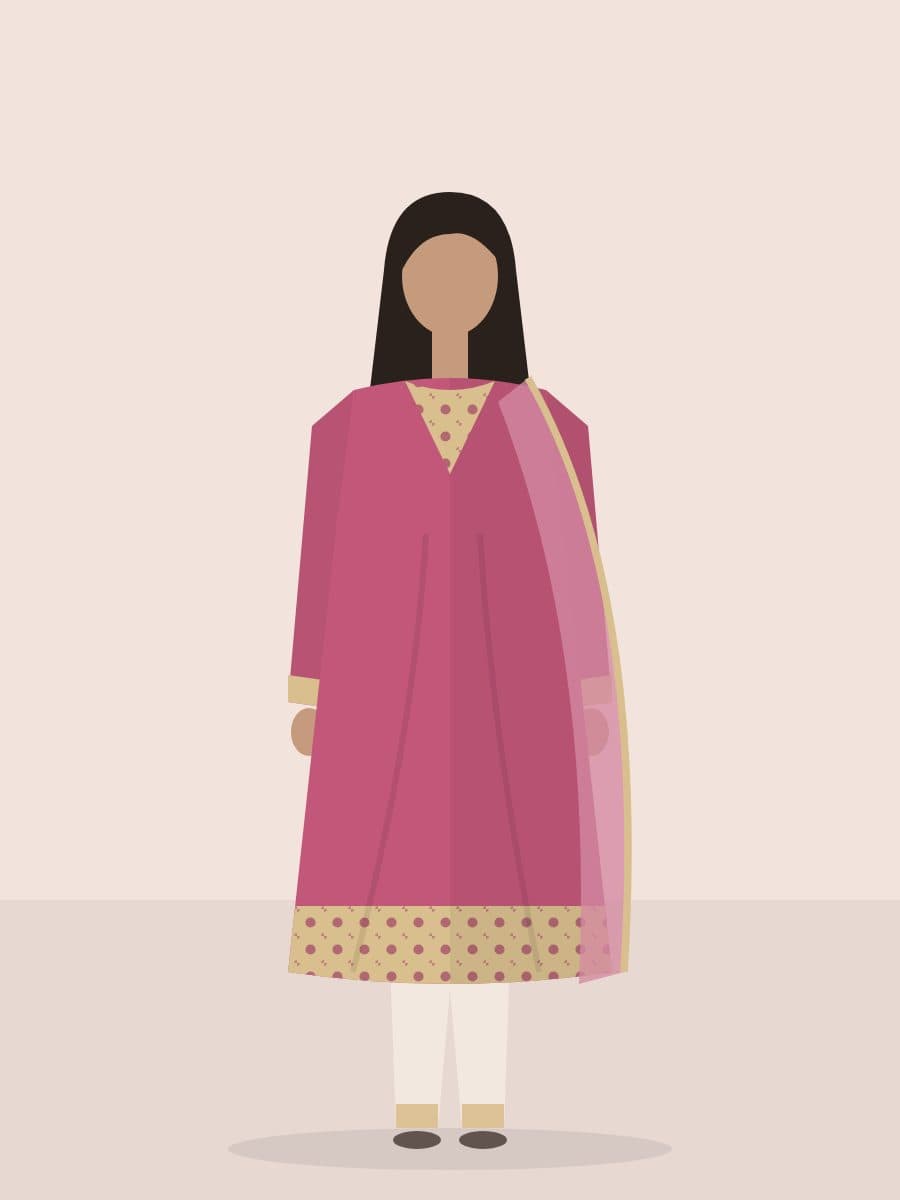
The night before Eid is for bazaars, bangles and mehndi, so think comfortable and colourful. A printed lawn or cotton silk shirt with straight trousers is ideal: light enough for crowded streets, bright enough for photographs. Our Ghazal shirt in rani pink with mirror work was made for exactly this night.
Eid morning: soft and traditional
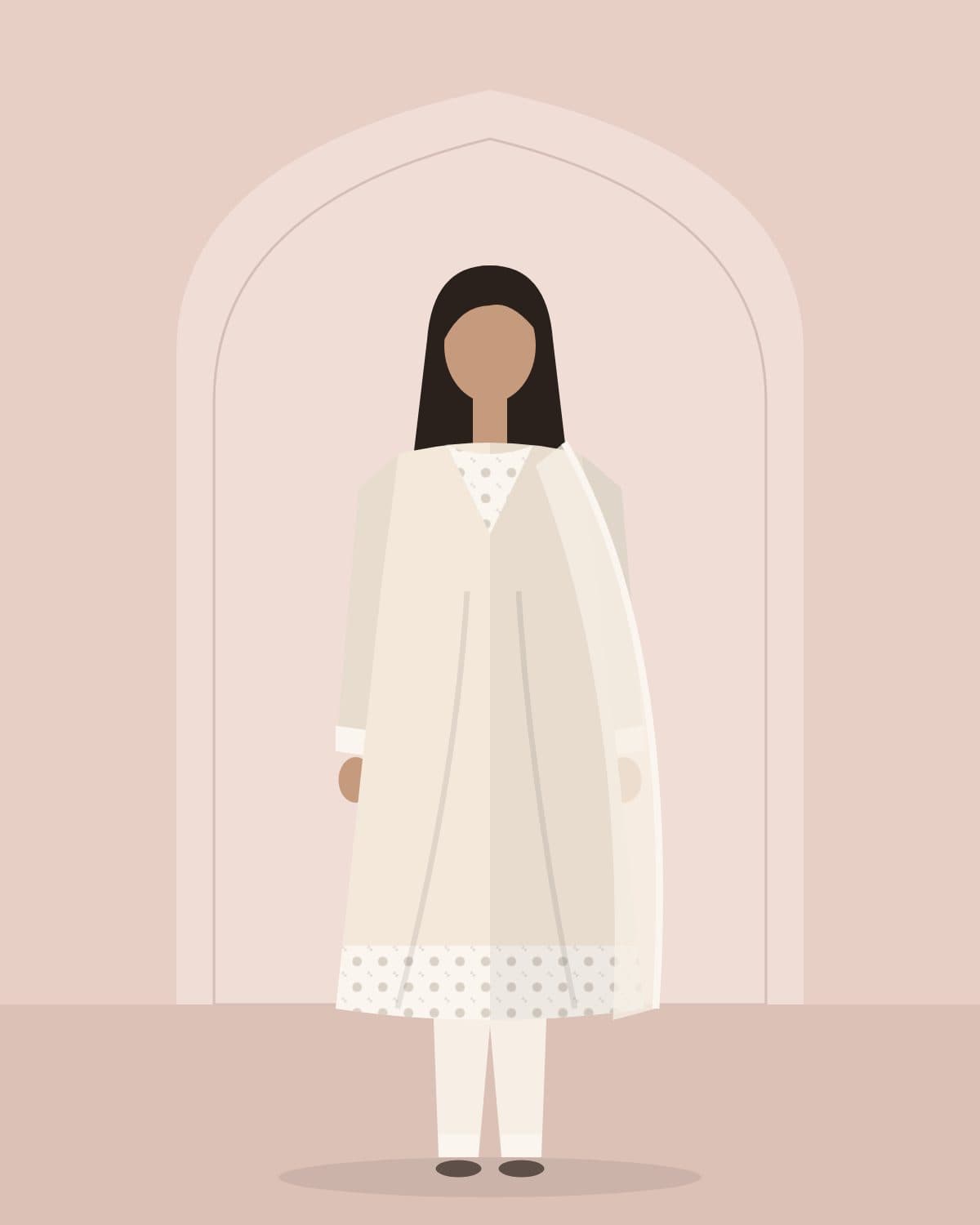
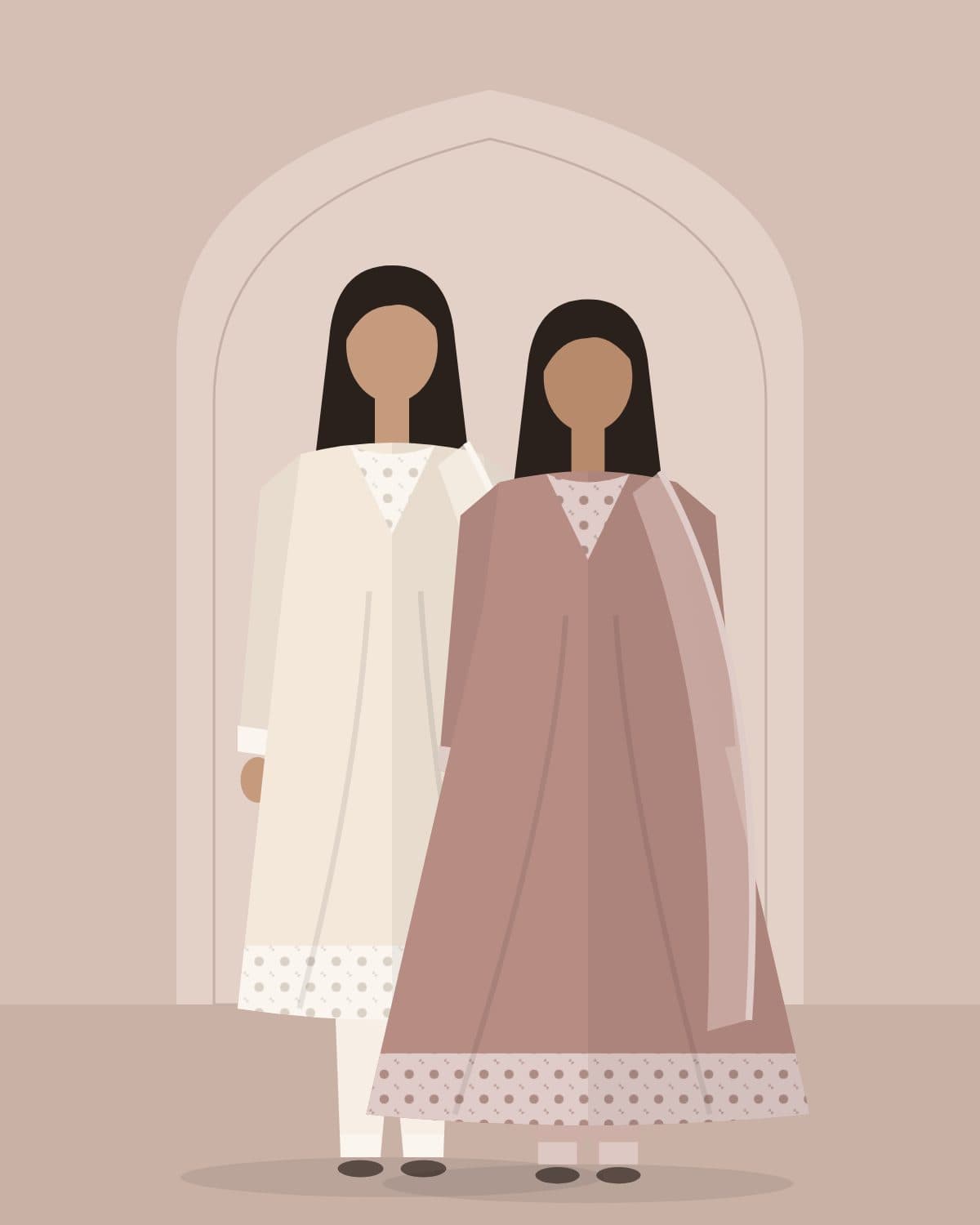
Eid prayers and the first round of family visits call for something graceful and unfussy. A pastel chiffon or lawn three-piece with delicate embroidery strikes the right note. Choose a dupatta you can easily draw over your head, and wear flats or kolhapuris, because you will be on your feet for hours.
Eid lunch: the hero look
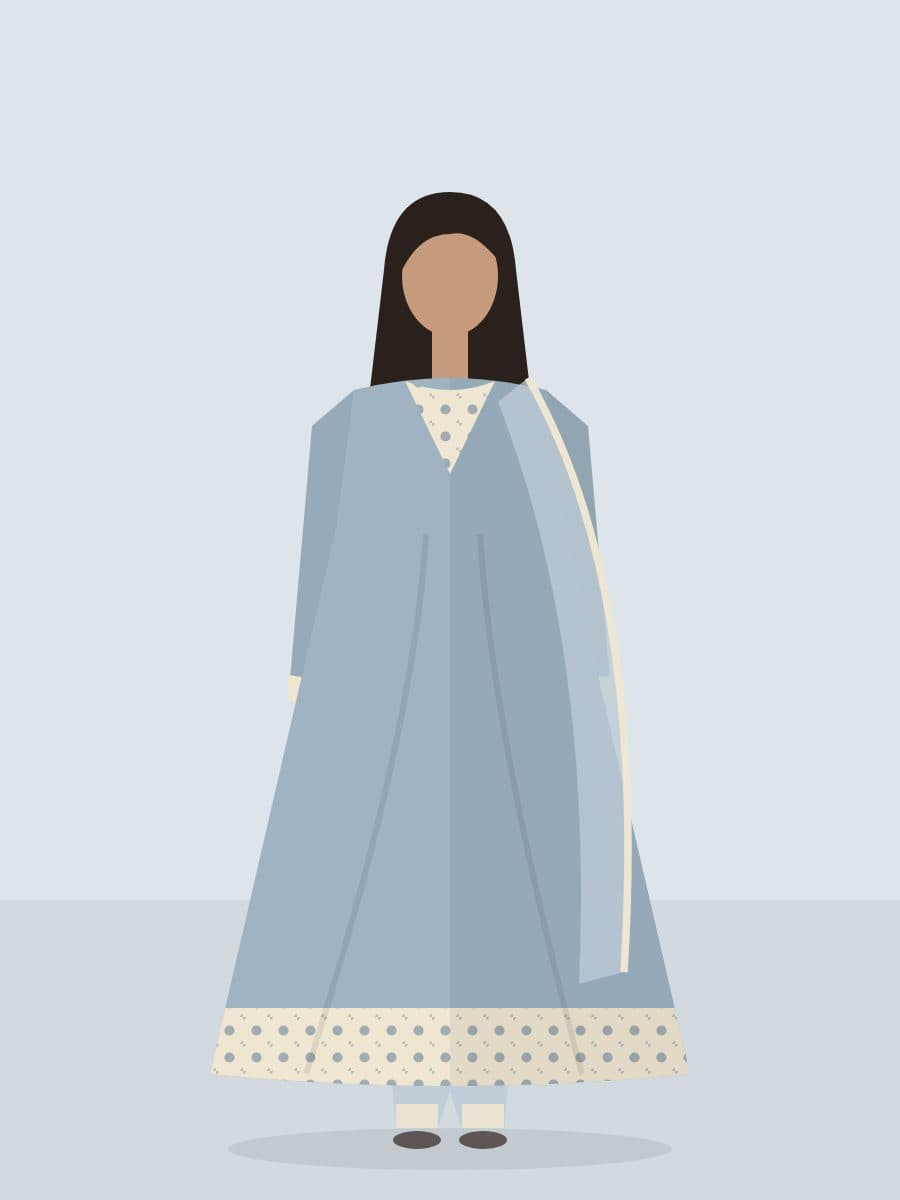
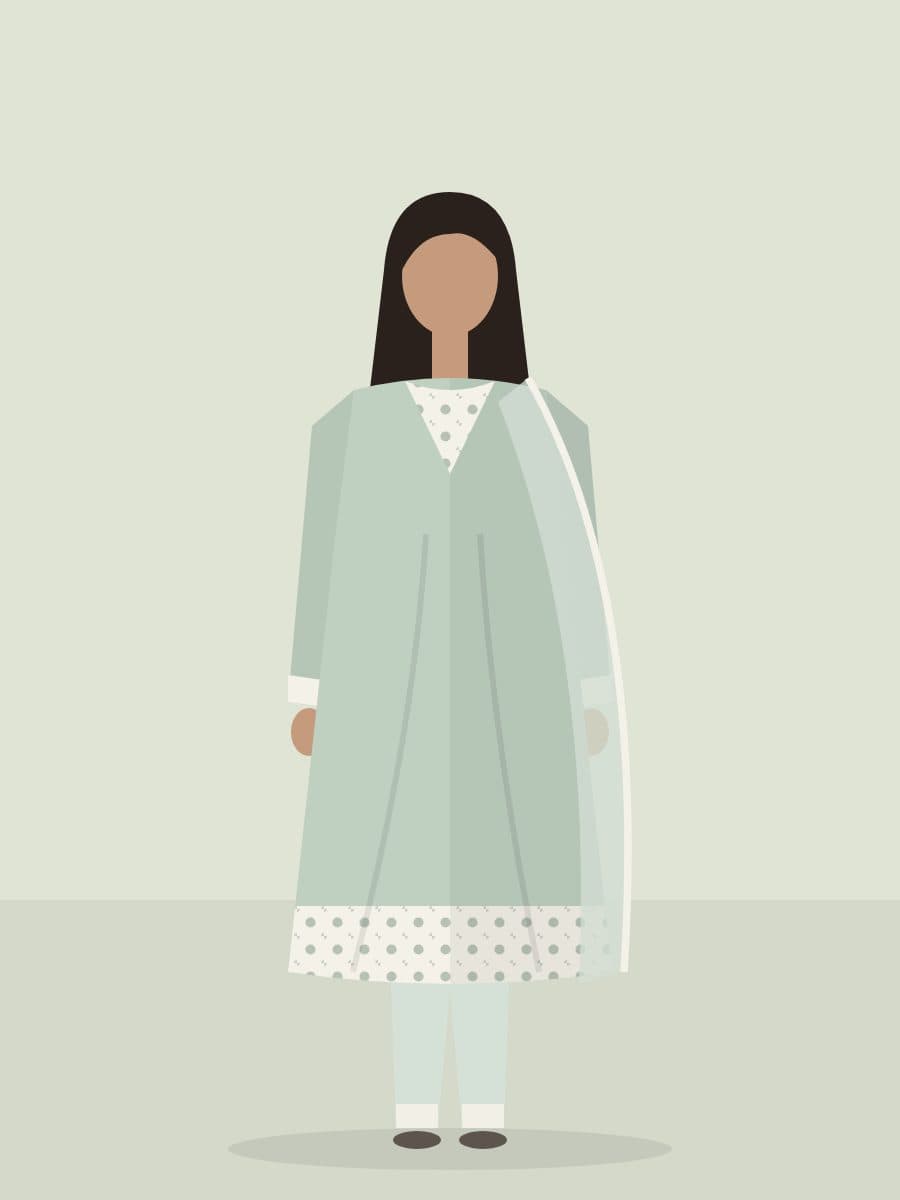
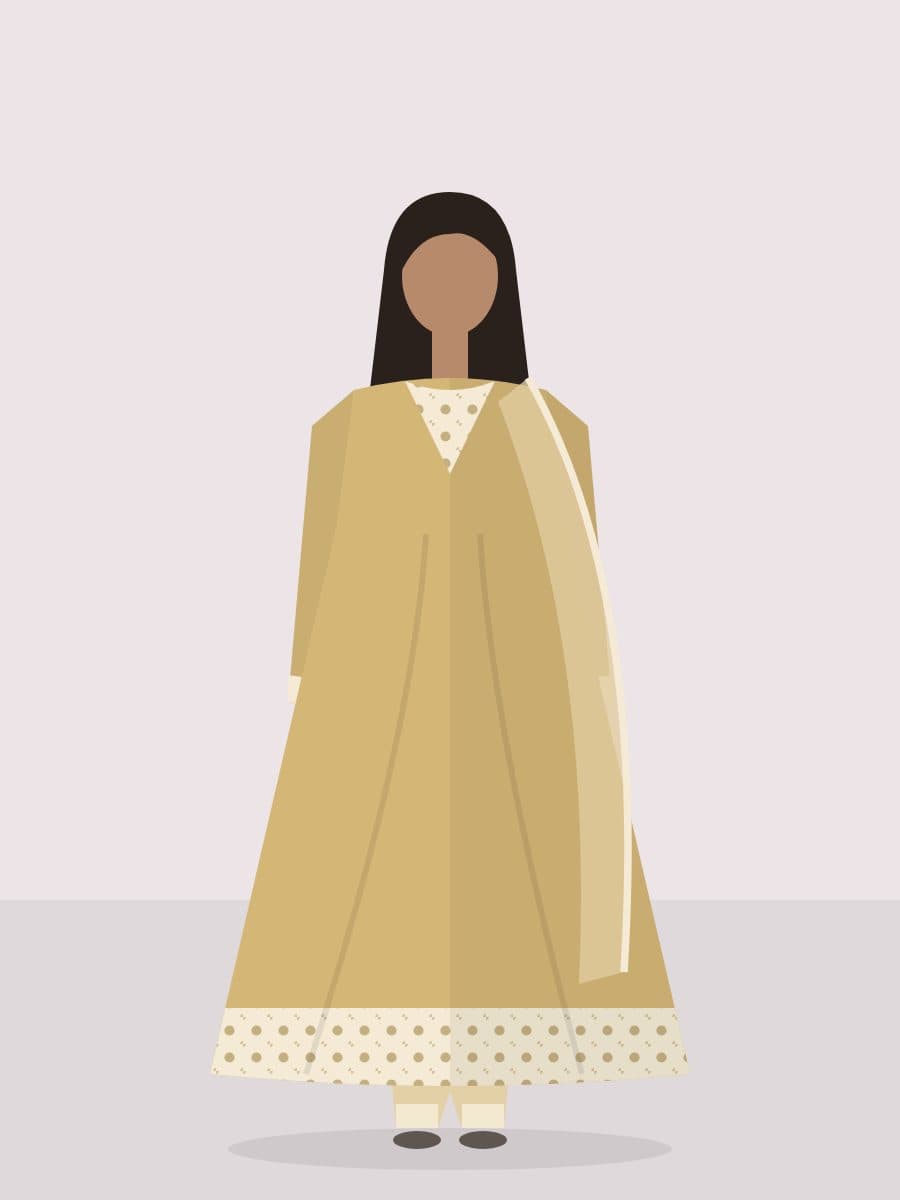
This is the main event, usually at the home of the family elder, and the one with the most photographs. Wear your most special piece: chiffon or organza with handwork, in a colour that suits you in daylight. Powder blue, mint and blush are perennial Eid favourites for a reason. They glow in natural light.
Buy one hero piece and two supporting pieces. That’s three days of Eid sorted, and nobody will notice the rewear.
Day two: dinner and dawat
Evenings call for richer textures. Swap daytime chiffon for raw silk, jacquard or cotton net, and let the jewellery come out. A sharara, gharara or lehnga set is perfect for a dinner dawat: it photographs beautifully and moves well when everyone ends up on the floor cushions after dessert.
Day three: the relaxed rewear
By the third day the visits are winding down, and this is where rewearing shines. Take your hero kurta from Eid lunch and pair it with different bottoms and a new dupatta: straight trousers instead of a sharara, a contrasting organza dupatta instead of the matching chiffon. It reads as a completely new outfit.
Jewellery and finishing touches
Let one element lead. With a heavily worked neckline, choose statement jhumkas and leave the neck bare; with a simpler shirt, a layered necklace or a matha patti can carry the look. Glass or gold bangles are an Eid tradition for good reason, and a small embroidered potli is far more practical than a clutch when your hands are full of mithai and Eidi envelopes.
Coordinating with family
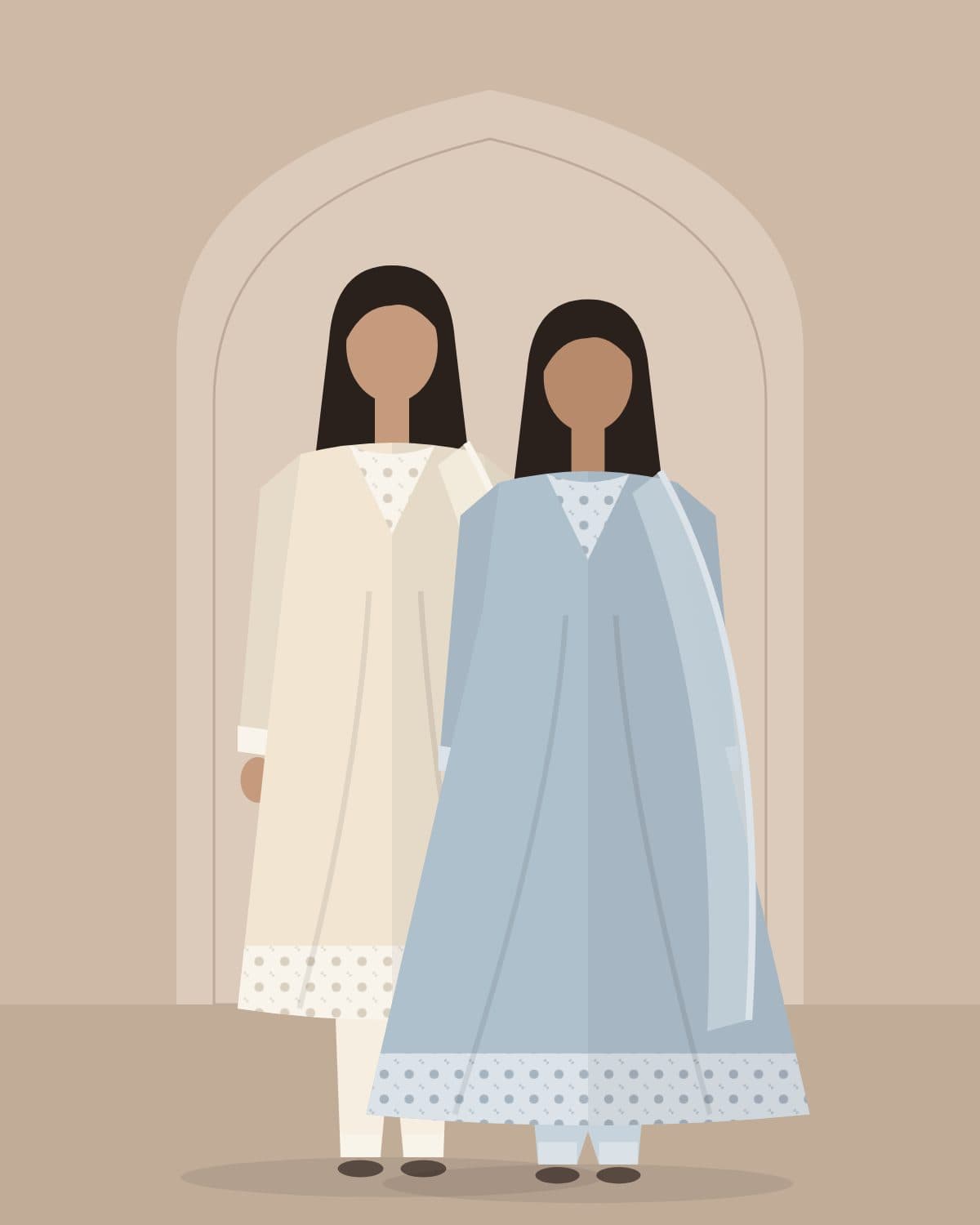
Family photographs are part of the day, so a little coordination goes a long way. Rather than matching exactly, agree on a shared palette, such as soft pastels for Eid morning or jewel tones for the dinner dawat, and let everyone wear their own silhouette within it. Our stylists are always happy to help pull together looks for the whole family.
The Eid capsule
Starting from scratch? This is the list:
- One hero three-piece with handwork, for Eid lunch
- One evening set (sharara, gharara or lehnga) for dinners
- One printed or lightly embroidered shirt for chand raat
- One versatile embroidered kurta that works with trousers you already own
- One statement dupatta that transforms everything else
Before you go
- Order stitched pieces by the first week of Ramzan, because the last ten days are our busiest
- Have hems adjusted for the shoes you will actually wear
- Steam everything the night before and hang each outfit with its dupatta and jewellery
- Pack a small kit: safety pins, a stain pen and a spare pair of flat shoes
Our boutiques offer complimentary alterations and Eid styling appointments throughout Ramzan. Find your nearest boutique.